Air Conditioning Repair Services: A Comprehensive Guide for Efficient Climate Control
HVAC maintenance solutions are vital to guarantee perfect indoor temperatures in residential properties Frequent malfunctions, such as poor cooling and strange noises, may signal the necessity for immediate attention Understanding the intricacies regarding repair expenses along with the value of regular maintenance can optimize how the unit functions Nevertheless, it is vital to choose certified HVAC professionals What questions should property owners ask when faced with air conditioning problems? The answers may surprise them
Typical Cooling System Issues and Symptoms
If an AC unit does not function properly, it usually shows distinct issues and indicators that can signal the need for repair A frequent problem involves poor temperature reduction, meaning the cooling system fails to achieve the required coolness This is often caused to low refrigerant levels or a malfunctioning compressor Another frequent indicator is unusual noises, like a grinding or a hissing sound, pointing to potential mechanical issues or refrigerant leaks Furthermore, a cooling unit that cycles too quickly, referred to as short-cycling, may indicate problems with the thermostat or restricted air movement To conclude, leaking water near the system indicate likely drainage malfunctions or blocked condensate lines Catching these indicators soon enables residents to resolve malfunctions fast, ensuring ideal performance and extending the unit's operational life
Understanding the Cost for Cooling System Fixes
Understanding the costs associated with air conditioning repairs is vital for residents Typical costs differ widely depending on the necessary fix, with multiple elements affecting the pricing, including the age of the unit and technician fees Evaluating these factors can help individuals make informed decisions when service is required
Typical Costs of Fixing AC
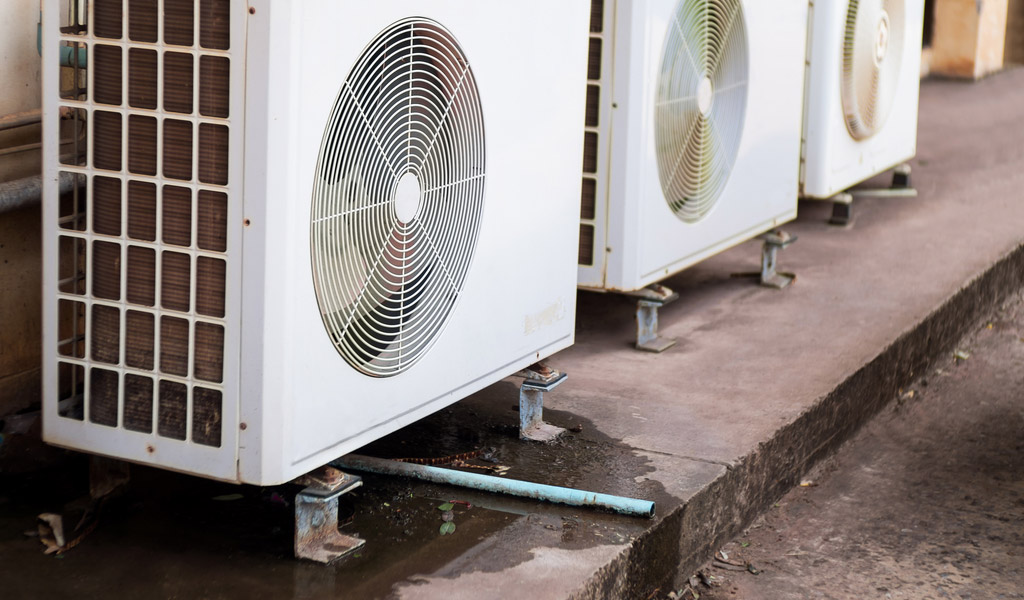
HVAC system fixes have highly variable expenses, affected by variables including the kind of unit, the complexity of the damage, and the area where the work takes place. Frequently encountered repair bills cover issues like refrigerant leaks, which may cost between $200 and $1,500 depending on the severity, and replacing the capacitor or fan motor, which might cost in the range of $100 to $600. In addition, faulty temperature controls may result in costs of $50 to $300 for service or substitution. Regular servicing, though not a repair, also incurs costs that can range from $75 to $150 for every appointment. It is wise for homeowners to plan for these typical costs to ensure their AC units operate efficiently and effectively throughout the cooling season.
Elements Affecting Pricing
How do various elements impact the cost of air conditioning repairs? A number of critical elements determine the overall expenses associated with these services. For starters, the nature of the necessary fix significantly affects pricing; minor fixes typically incur lower fees compared to complex issues. Moreover, the age and model of the air conditioning unit impact the final bill; older systems may require specific parts or specialized effort. Also, where you live makes a difference, as the cost of parts and work fluctuates based on location. The demand during certain seasons may also cause price changes, with the busiest summer period usually experiencing elevated prices. Lastly, the expertise and standing of the AC company may influence the price, as reputable providers often bill higher rates for their skill and dependable service.
Why Regular Upkeep Matters
Consistent upkeep of HVAC equipment is essential for boosting their operation and effectiveness. When paying for consistent servicing, property owners can realize substantial financial benefits eventually while also extending the lifespan of their equipment. Recognizing the value of these upkeep routines can lead to more reliable and optimal temperature control.
Improving Unit Performance
Servicing your HVAC equipment is essential for ensuring ideal performance and energy efficiency - Richardson Air Conditioning Repair. Routine servicing, such as swapping out the air filters, checking refrigerant levels, and inspecting components, mitigates overworking the system and promotes optimal airflow. This forward-thinking strategy not only prolongs the life of the unit but also improves its capacity to control interior climate effectively. Regular servicing enables technicians to catch developing issues quickly, lessening the possibility of unforeseen malfunctions and expensive fixes. Moreover, a properly serviced unit runs silently and contributes to improved indoor air quality. By prioritizing regular maintenance, homeowners can enjoy consistent comfort while optimizing the cooling system's total performance
Cost Savings Over Time
Even though homeowners sometimes consider air conditioning maintenance as an needless cost, the financial benefits over time it offers can be considerable. Routine upkeep assists in spotting minor issues before they grow into major repairs, consequently sidestepping pricy immediate fixes. Additionally, a well-maintained system operates more efficiently, which can lead to informative guide lower energy bills. Over time, this efficiency equates to considerable cost reductions, making the upfront cost in routine upkeep justified. In addition, maintenance can better the air inside, reducing health-related expenses for families. In short, prioritizing regular air conditioning maintenance not only enhances system performance but also contributes to meaningful financial savings over the equipment's duration, reinforcing its value to homeowners.
Maximizing Unit Longevity
Diligently maintaining your unit greatly prolongs the lifespan of the equipment. Scheduled upkeep, including checking coolant levels and cleaning air filters, secures maximum efficiency and efficiency. Neglecting these tasks can result in greater deterioration, consequently cutting down the unit's lifespan. Furthermore, routine inspections can identify potential issues prior to them worsening into major overhauls. By addressing minor problems early, homeowners can sidestep serious malfunctions and extend the life of their air conditioning systems. Furthermore, well-maintained units function better, which can result in reduced utility costs. Putting money into routine upkeep not only enhances comfort but also guarantees a reliable climate control system for years to come, underscoring the necessity of consistent care in air conditioning systems.
Finding the Right HVAC Specialist

What is the best way to ensure they pick a qualified HVAC technician? To begin, credential verification is essential; look for technicians who hold certifications from recognized bodies like NATE or those holding state licenses. In addition, the level of experience matters; technicians with a few years in the industry are often more adept at diagnosing and repairing complicated malfunctions.
Requesting referrals from family, friends, or digital feedback can provide valuable insights into a technician's reputation. After identifying potential candidates, requesting quotes and comparing costs can reveal who provides fair and honest service.
In addition, a competent technician must have broad knowledge of various HVAC systems and be able to explain repair processes clearly. To conclude, confirm that the technician offers warranties on their work, showing their assurance in the service provided. If one follows these steps, you can make a knowledgeable choice when choosing an HVAC technician, guaranteeing reliable climate control in their home.
DIY Troubleshooting Tips for Small Problems
What measures can homeowners use to troubleshoot minor air conditioning issues before calling a professional? Initially, they should review the thermostat controls to verify it is configured to cooling mode and the desired temperature. Then, inspecting the air filter for debris and dirt is crucial; a dirty filter restricts airflow, causing poor performance. It is also helpful to check the outdoor unit for blockages, such as leaves or debris, that may hinder performance.
A further key action is verifying that the circuit breaker hasn’t tripped, which could disrupt power to the system. Additionally, confirming that all vents are open and unobstructed ensures optimal air flow. To conclude, monitoring for odd noises or checking for unusual odors can help reveal underlying issues. Using these easy troubleshooting methods, homeowners can address minor air conditioning problems effectively before contacting a technician.
Signs It’s Time for a New System
Once small AC problems have been addressed, homeowners may find themselves wondering if the time has come for a system replacement. A few distinct indicators can show that an upgrade is required. First, if the machine is older than 15 years, it may be less efficient and more likely to fail. In addition, frequent repairs that exceed 50% of the cost of a new system mean replacement is probably the more cost-effective choice. Another red flag is varying temperatures throughout the home, which can signal reduced efficiency. Higher electricity expenses also point to inefficiency, as aged units often use more power than newer, efficient models. Lastly, odd sounds or unusual scents can point to significant internal damage, warranting a closer look. In summary, being aware of these warnings can help homeowners make informed decisions about their air conditioning systems, providing effective cooling for their homes.
Benefits of Professional Air Conditioning Services
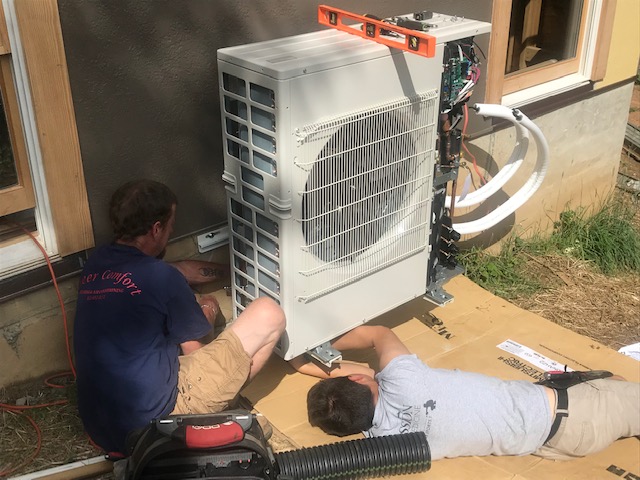
Specialized skill is vital in maintaining ideal air conditioning performance. Professional air conditioning services provide many advantages, starting with comprehensive system checks. Trained technicians can identify underlying issues that may not be visible to the untrained eye, guaranteeing extensive repairs. This expertise not only improves how well the system works but also prolongs the life of the AC, ultimately saving homeowners money on unnecessary upgrades.
Additionally, professional services ensure adherence with required safety protocols, minimizing the possibility of unsafe breakdowns. Scheduled upkeep by skilled professionals can make the air cleaner by preventing the buildup of dust and allergens within the system. In addition, these services often offer protection plans, offering assurance and coverage for subsequent fixes. Overall, using expert AC maintenance leads to optimal operation, energy efficiency, and a comfortable living environment, showing it is a sensible expenditure for homeowners looking for trustworthy temperature management.
FAQs
How Frequently Are Professional AC Inspections Recommended?
Professionals recommend scheduling air conditioning inspections annually at minimum, best prior to the hottest months. This regular maintenance promotes maximum efficiency, extends system lifespan, and spots minor problems before they escalate into costly repairs.
Is DIY Maintenance an Option to Reduce Expenses?
Certainly, individuals can perform routine care activities for instance, cleaning the filters and checking for debris. However, major fixes or detailed checks must be handled by experts to secure proper safety and optimal unit performance, thereby stopping future costly issues.
What Kind of Guarantees Are Usually Provided on Air Conditioning Repairs?
As a rule, AC repair warranties range from 30 days to one year. Richardson Air Conditioning Repair. They often cover parts and labor, however, the exact terms depend on the company, making it crucial to check the warranty details before agreeing to the necessary fixes
How Long Does an Air Conditioning Repair Usually Take?
Fixing your air conditioner usually takes from one to four hours, based on how complicated the problem is. Elements like the availability of components and the skill level of the technician can also influence the duration of time the fix takes.
Can I Get Any Energy-Saving Improvements for My System?
AC system enhancements focused on efficiency involve installing smart thermostats, variable-speed compressors, and better quality filters. Such upgrades significantly lower power usage, resulting in reduced electricity costs and better temperature management in your house or place of work.